
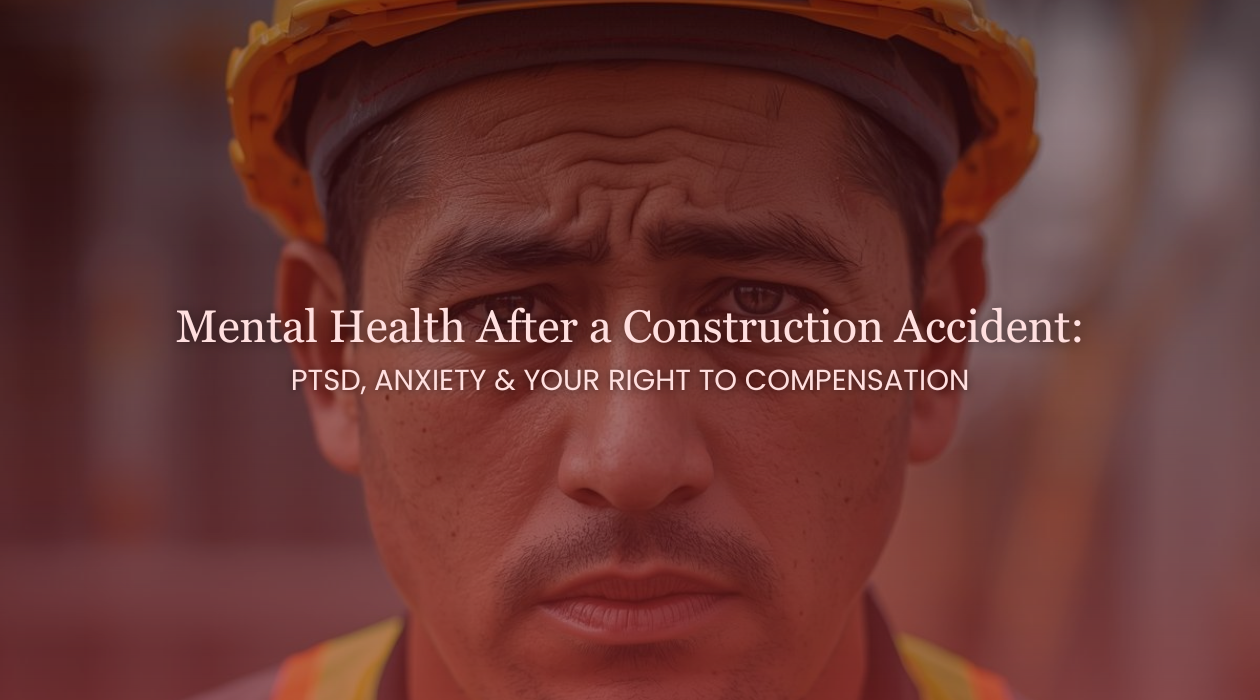
Mental Health After a Construction Accident: PTSD, Anxiety & Your Right to Compensation
February 17, 2026
Construction sites are some of the most dangerous workplaces in the country — and while the physical injuries can be severe, the psychological impact of a construction accident is often overlooked. Many injured workers struggle with post-traumatic stress disorder (PTSD), anxiety, depression, or a deep fear of returning to work even long after their physical wounds have healed.
At LFK Law Practice, P.C., we recognize that mental health is part of the injury — and we help workers pursue the full compensation they deserve, including emotional and psychological damages.
PTSD and Anxiety in Injured Construction Workers
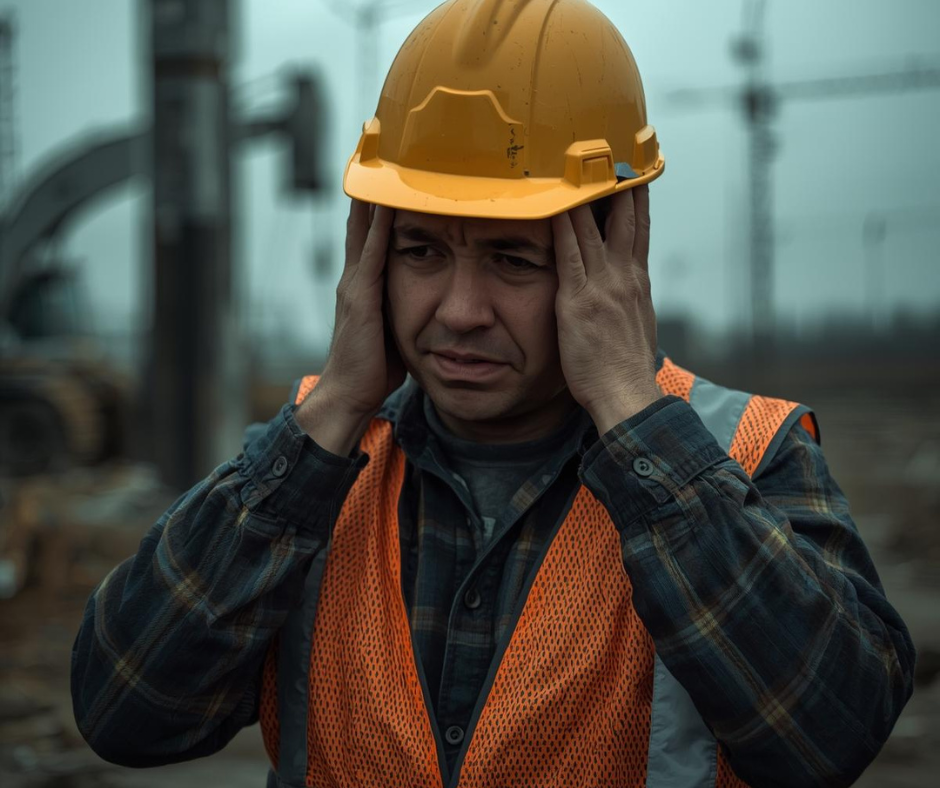
After a serious accident — a fall from scaffolding, a machinery malfunction, an electrical shock, a trench collapse — it’s extremely common for workers to experience ongoing mental trauma.
Signs of PTSD or anxiety after a construction accident may include:
- Flashbacks or intrusive memories
- Trouble sleeping or nightmares
- Startle responses to loud noises or sudden movement
- Irritability, mood swings, or emotional numbness
- Avoidance of the accident site or similar tasks
- Sudden panic or fear when thinking about returning to the job
These symptoms aren’t simply “stress” — they are clinical mental health conditions that can affect your daily life, relationships, and ability to work.
Many workers hesitate to speak up about emotional struggles, but mental injuries are just as real and compensable as physical ones.

Fear of Returning to Work After a Serious Accident

Even when the body has recovered, the mind may not be ready.
Many injured construction workers develop phobias or work-related fear, such as:
- Fear of heights after a ladder or scaffolding fall
- Fear of machinery after entanglement or crush injuries
- Fear of confined spaces after being trapped
- Generalized fear of being on a construction site
This fear can prevent workers from feeling safe or confident returning to their job — especially in high-risk environments.
A mental health provider may recommend:
- Therapy, including cognitive behavioral therapy (CBT)
- Exposure therapy
- Medication for anxiety or PTSD
- Gradual return-to-work plans
- Work restrictions or reassignment
Documenting this fear with a licensed professional is critical — especially if it affects your ability to return to work or perform your regular duties.
Compensation for Psychological Injuries After a Construction Accident
Both workers’ compensation and third-party personal injury claims may cover psychological injuries — but the requirements differ.
Workers’ Compensation May Cover:
- PTSD
- Anxiety disorders
- Depression
- Trauma-related stress
- Mental health treatment costs (therapy, medication, counseling)
- Lost wages due to inability to work
- Permanent mental health disability benefits
To qualify, the psychological injury must be:
- Directly linked to a work-related physical injury or
- A direct result of a traumatic work incident
Personal Injury or Third-Party Claims May Cover:
If someone other than your employer was responsible (e.g., a contractor, equipment manufacturer), you may recover additional damages including:
- Pain and suffering
- Emotional distress
- Loss of enjoyment of life
- Loss of earning capacity
- Long-term psychological care
These damages can significantly increase the value of a claim — especially when mental health effects are severe or long-lasting.
How LFK Law Practice, P.C. Supports Injured Construction Workers

At LFK Law Practice, P.C., we understand that healing after a construction accident means treating both the body and the mind. We help clients:
- Connect with mental health professionals for proper diagnosis
- Document PTSD, anxiety, and work-related fears
- Prove how psychological injuries affect employment and daily life
- Pursue compensation for therapy, medication, and long-term care
- Navigate workers’ compensation AND identify potential third-party claims
- Ensure insurers take emotional trauma seriously — not dismiss it
📞 If you’re dealing with psychological trauma after a construction accident, contact us today. Your mental health matters, and you deserve full protection under the law.
Frequently Asked Questions
Can I get workers’ comp for PTSD?
Yes. As long as the PTSD is linked to a work-related accident or traumatic event, workers’ compensation may cover treatment and lost wages.
Do I need a physical injury to claim mental health benefits?
Not always — but psychological-only claims can be more difficult. Most cases are stronger when the mental trauma is tied to a physical injury.
What if I’m afraid to return to work?
Fear of returning is a recognized psychological injury. A mental health provider can document this, which can support additional benefits or work restrictions.
Can I receive compensation for emotional distress in a personal injury claim?
Yes. If a third party contributed to your accident, emotional damages like PTSD and anxiety are fully compensable.
How do I prove psychological injuries?
Through medical evaluations, therapist notes, diagnosis reports, and testimony showing how the trauma affects your life.