Slip and Fall Injuries: Evidence You Must Gather
December 10, 2025
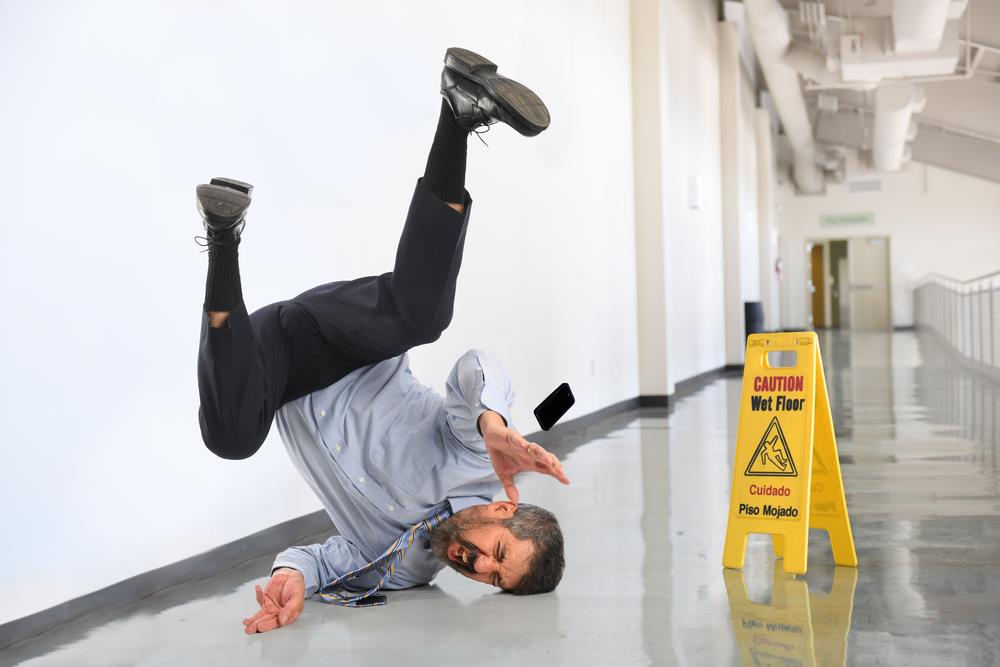
Slip and fall accidents are more common than you might think. In fact, the Centers for Disease Control and Prevention (CDC) reports that falls are one of the leading causes of injury in the U.S. Whether it happens in a grocery store, office building, or even at a friend’s house, the impact can range from minor bruises to severe fractures or head injuries.
If you’re involved in a slip and fall accident, acting fast and collecting the right evidence is key. Without proper documentation, proving negligence can become an uphill battle. This guide will walk you through the exact evidence you need to strengthen your premises liability claim and protect your rights.
Common Causes of Slip and Fall Accidents
Knowing the root cause of your fall not only helps prevent future accidents but also strengthens your case. Common hazards include:
- Wet or slippery floors – spills, recently mopped surfaces, or rainy weather outside entrances.
- Uneven or damaged surfaces – cracked sidewalks, loose tiles, torn carpets, or potholes in parking lots.
- Obstructions – cords, boxes, or debris left in walkways.
- Poor lighting – dim hallways, staircases, or parking areas hide dangerous obstacles.
- Lack of warning signs – failure to display “Wet Floor” or hazard signs.
Real Example:
Imagine walking into a store, browsing the shelves, and filling your cart. Suddenly, you slip and fall. When you look down, the cause could be anything—a broken jar, a spill, or water pooling in the produce section. The key question becomes: How long had this hazardous condition been there, and why didn’t the store address it? This oversight can make the store liable—but only if you have evidence to support it.
Key Takeaway: Identifying the cause of the fall is essential in proving the property owner’s negligence.
Essential Evidence You Must Collect
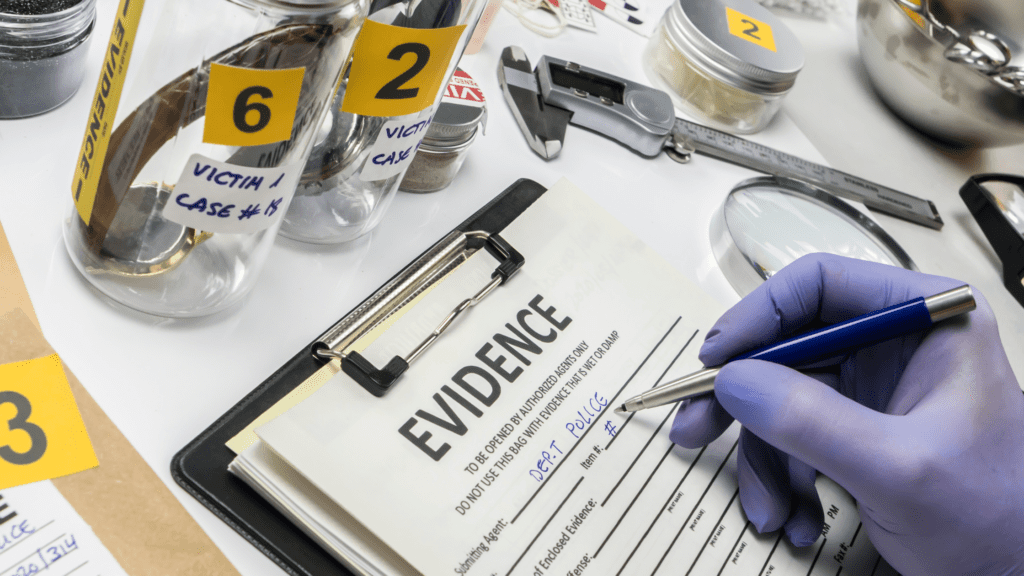
After a fall, gather evidence fast:
Photos/Videos: Document the area, hazards, and any visible injuries (wide shots + close-ups).
Witnesses: Get names, contacts, and brief statements from anyone who saw what happened.
Incident Report: Request and review the official report if the fall happened on a property.
Medical Records: Get checked immediately and keep all treatment documents.
CCTV Footage: Ask the property owner for any available surveillance clips.
Personal Notes: Record the time, date, location, conditions, and how you felt.
Tips: Preserve your clothing/items, don’t alter the scene before documenting, act quickly, and back everything up.
Key Takeaways
- Document every detail with photos, videos, and personal notes.
- Gather witness statements and official incident reports promptly.
- Preserve all evidence without altering the scene.
- Seek medical care immediately and keep thorough records.
- Acting quickly strengthens your case and ensures your rights are protected.
Frequently Asked Questions
Q1: How soon should I gather evidence after a slip and fall?
A: Immediately. The accuracy and reliability of your evidence are highest when collected promptly.
Q2: Can I take photos in a private store?
A: Yes, with permission if needed. Discreetly capturing hazards is important for your claim.
Q3: What if no one witnessed the fall?
A: Other evidence, like photos, medical records, and incident reports, can still support your case.
Q4: Do I need a lawyer for a slip and fall case?
A: An experienced personal injury attorney can guide you in evidence collection, negotiations, and securing fair compensation.
Bottom Line
Slip and fall accidents can cause serious injuries, lost wages, and costly medical bills. Proper evidence collection is your best defense when filing a premises liability claim. Photographs, witness statements, medical records, and incident reports all play a key role in proving negligence and securing fair compensation.
References
Centers for Disease Control and Prevention (CDC). Slip, Trip, and Fall Injuries. https://www.cdc.gov
Occupational Safety and Health Administration (OSHA). Walking/Working Surfaces Safety. https://www.osha.gov
American Bar Association. Premises Liability Basics. https://www.americanbar.org
Centers for Disease Control and Prevention (CDC). Slip, Trip, and Fall Injuries. https://www.cdc.gov
Occupational Safety and Health Administration (OSHA). Walking/Working Surfaces Safety. https://www.osha.gov
American Bar Association. Premises Liability Basics. https://www.americanbar.org