Winter Night Safety in New York | Low-Visibility Protection Tips
February 17, 2026
When Winter Darkness Becomes a Safety Risk
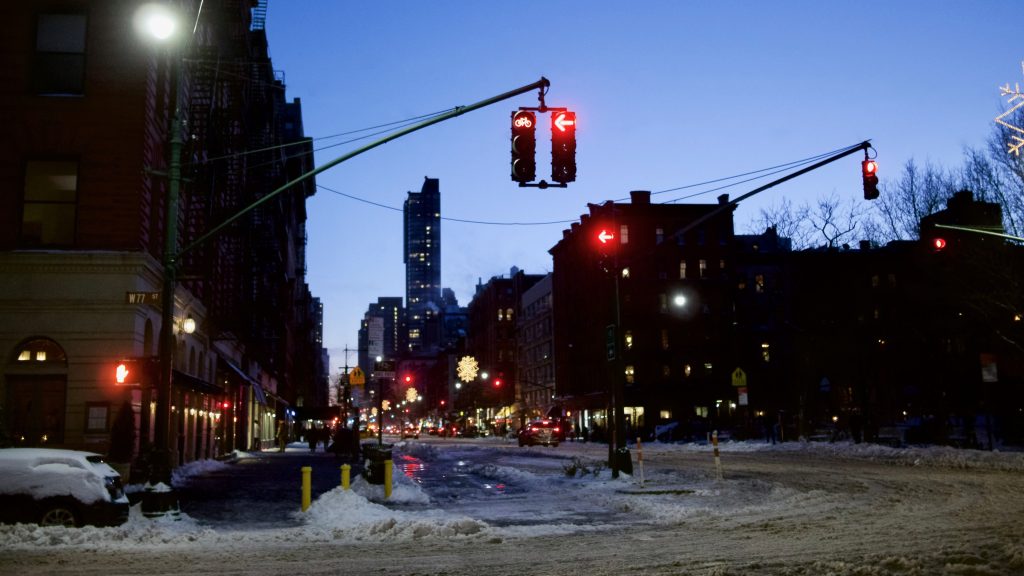
Winter in New York brings more than cold temperatures and snow—it also brings longer nights, reduced visibility, and increased safety risks. Early sunsets, icy surfaces, and limited lighting create conditions where accidents, injuries, and crimes are more likely to occur.
Practicing winter awareness is essential. Whether you are walking, driving, commuting, or working outdoors, understanding how to protect yourself during low-visibility winter nights can significantly reduce your risk of harm.
Why Winter Nights Are More Dangerous in New York
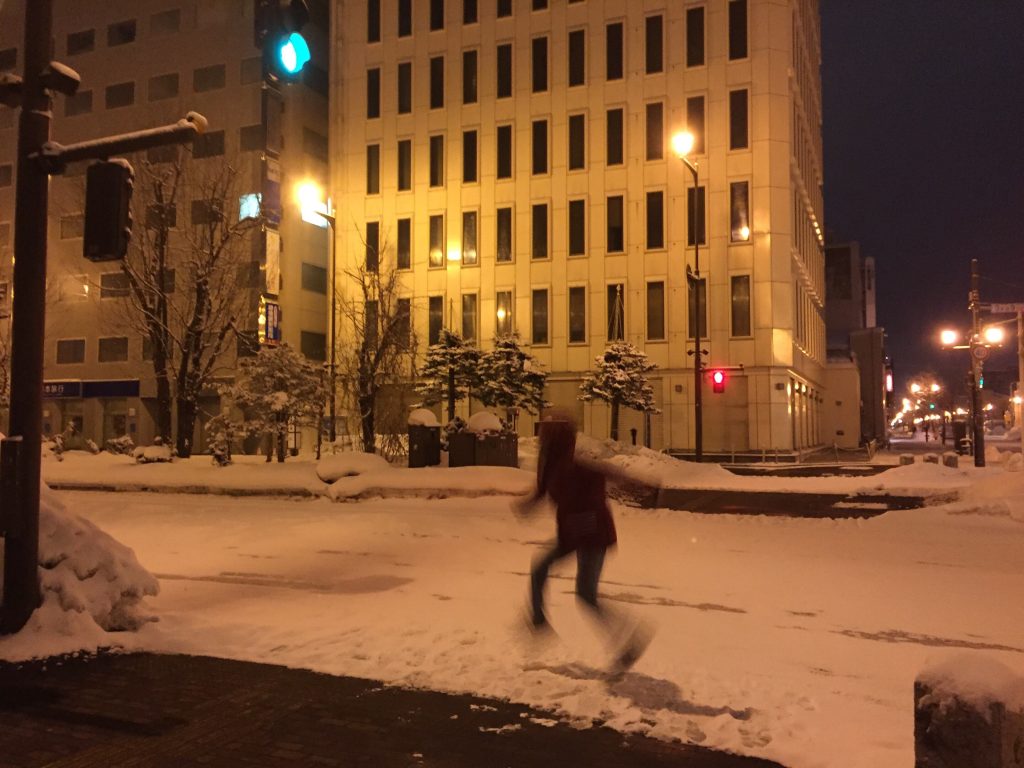
Low visibility during winter evenings can make hazards difficult to detect until it’s too late. Several factors contribute to increased danger:
- Shortened daylight hours
- Snowfall, fog, and freezing rain
- Glare from headlights on wet or icy roads
- Dark clothing blending into surroundings
- Fatigue during colder months
These conditions increase the likelihood of vehicle collisions, pedestrian accidents, slips and falls, and personal safety threats.
- Shortened daylight hours
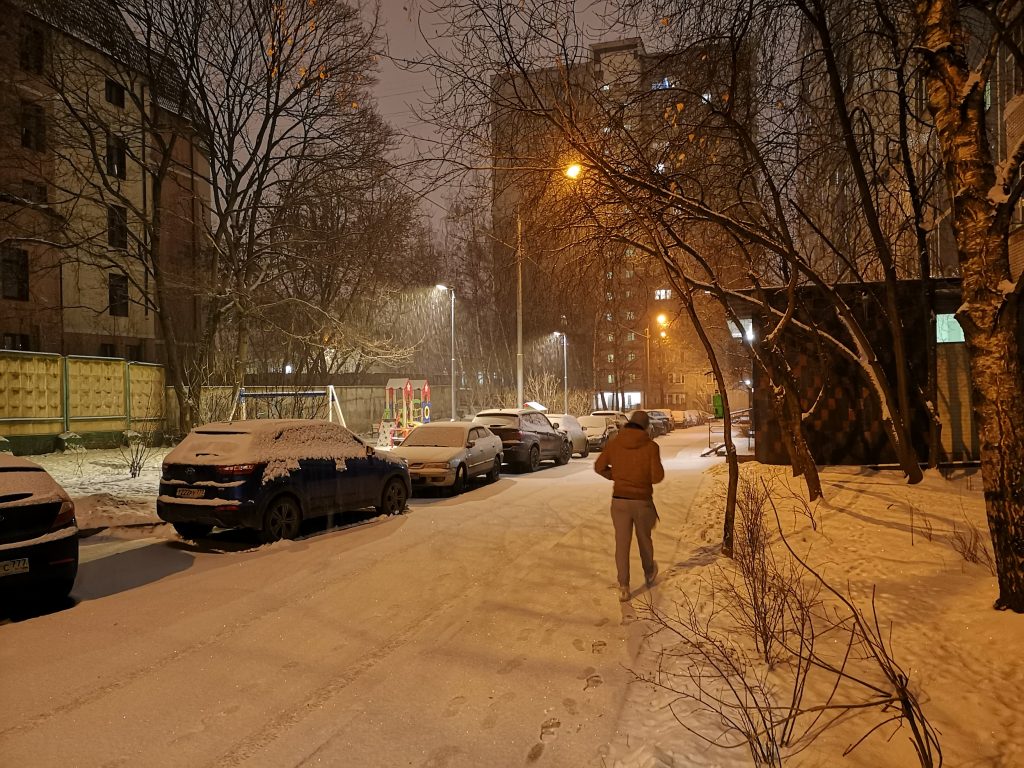
Pedestrian Safety Tips for Winter Nights
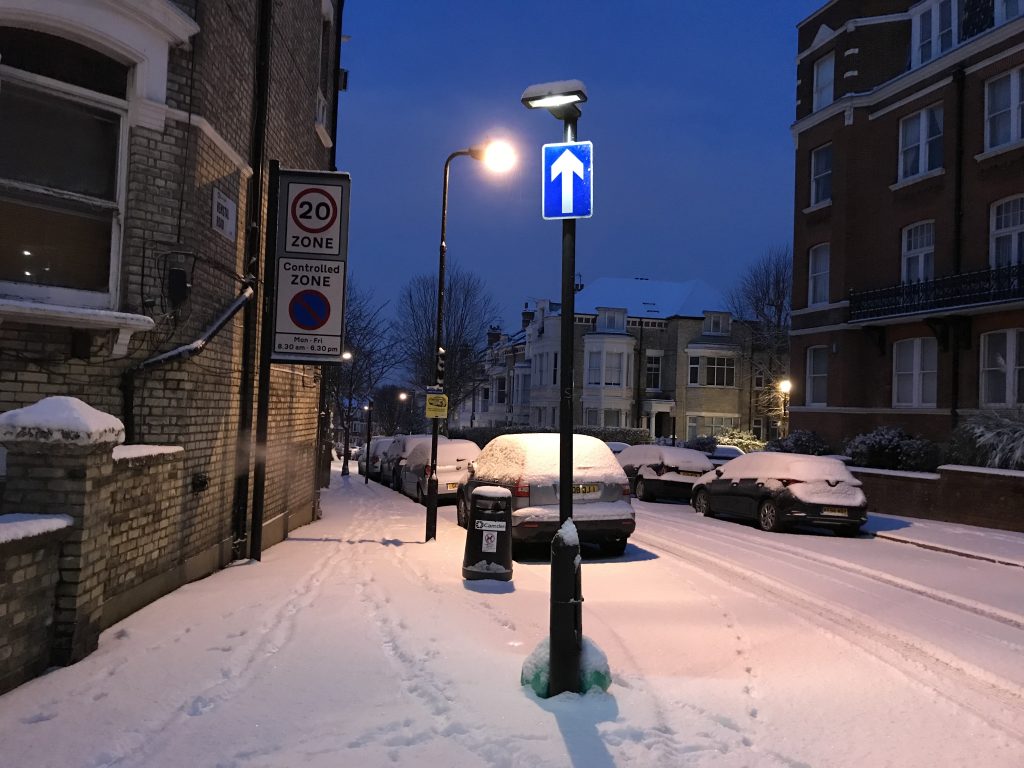
Pedestrians face heightened risks during winter evenings, especially in poorly lit areas.
How to Stay Visible
- Wear reflective clothing or accessories
- Use a flashlight or phone light when walking
- Choose well-lit streets and sidewalks
- Avoid distractions such as texting while walking
Walk Smart
- Make eye contact with drivers before crossing
- Allow extra time when crossing icy roads
- Stay alert in parking lots and garages
Winter Driving Safety in Low Visibility
Driving at night during winter requires heightened awareness and preparation.
Safe Driving Practices
- Reduce speed and increase following distance
- Use headlights appropriately in snow or fog
- Clear snow and ice from all windows and mirrors
- Watch for pedestrians and cyclists in dark clothing
Drivers should remember that stopping distances increase significantly on icy roads, even at low speeds.
Personal Safety and Crime Prevention During Winter Nights
Low visibility can also create opportunities for criminal activity.
Stay Safe in Public Spaces
- Avoid isolated or poorly lit areas
- Walk with others when possible
- Keep valuables concealed
- Stay aware of your surroundings
Building and Property Safety
- Ensure entrances and walkways are well lit
- Report broken lights or unsafe conditions
- Use secure parking areas whenever possible
Winter Awareness for Property Owners and Communities
Winter awareness is not just personal—it’s communal. Property owners and managers play a critical role in maintaining safety during winter nights.
Key responsibilities include:
- Maintaining adequate outdoor lighting
- Clearing snow and ice from walkways
- Addressing known safety hazards promptly
- Ensuring security systems function properly
Failure to address these risks can increase the likelihood of accidents and injuries.
What to Do If an Accident Occurs in Low Visibility
If you are involved in an accident during winter nighttime conditions:
- Seek medical attention immediately
- Report the incident to authorities or property management
- Document lighting conditions and hazards
- Collect witness information if available
Early documentation can be critical for safety evaluations and future claims.
Key Takeaways
- Winter nights in New York present unique visibility challenges
- Pedestrians and drivers must take proactive safety measures
- Reflective gear and proper lighting reduce accident risks
- Property owners share responsibility for winter safety
- Awareness and preparation save lives
Why Talking to a Lawyer Can Protect You After a Winter Night Accident
Even in New York’s “no-fault” system, insurance companies often limit or deny claims — especially when serious injuries are involved in low-visibility accidents, like those that happen on winter nights. An experienced personal injury attorney can make a crucial difference. We can help you:
File your no-fault claim accurately and on time
Challenge unfair denials or underpayments
Determine whether your injuries meet the serious injury threshold
Pursue full compensation for pain, suffering, and future losses
At LFK Law Practice, P.C., we guide drivers through the no-fault process and fight to ensure you receive the compensation you deserve after a winter accident.
Contact us today for a free consultation, and let us handle the insurance while you focus on recovering safely.
Bottom Line
Winter awareness is essential during New York’s long, dark nights. By staying visible, slowing down, and remaining alert, individuals and communities can reduce preventable accidents and improve overall safety. Low visibility does not have to mean high risk—preparedness makes all the difference.
Frequently Asked Questions (FAQs)
- Why are winter nights more dangerous than summer nights? Shorter daylight hours, weather conditions, and reduced visibility all increase accident risks.
- How can pedestrians improve visibility at night? Reflective gear, light-colored clothing, and carrying a light source are highly effective.
- Are drivers responsible for adjusting to winter conditions? Yes. Drivers must use reasonable care and adjust speed and behavior to road conditions.
- What role does lighting play in winter safety? Proper lighting significantly reduces accidents and enhances personal security.
- Can poor winter lighting increase liability risks? Yes. Inadequate lighting may contribute to preventable injuries and safety failures.
References
- National Safety Council. (n.d.). Winter driving safety.
- New York City Department of Transportation. (n.d.). Pedestrian safety and visibility guidelines.
- New York State Department of Health. (n.d.). Cold weather safety and injury prevention.
- New York State Department of Transportation. (n.d.). Driving in winter weather.