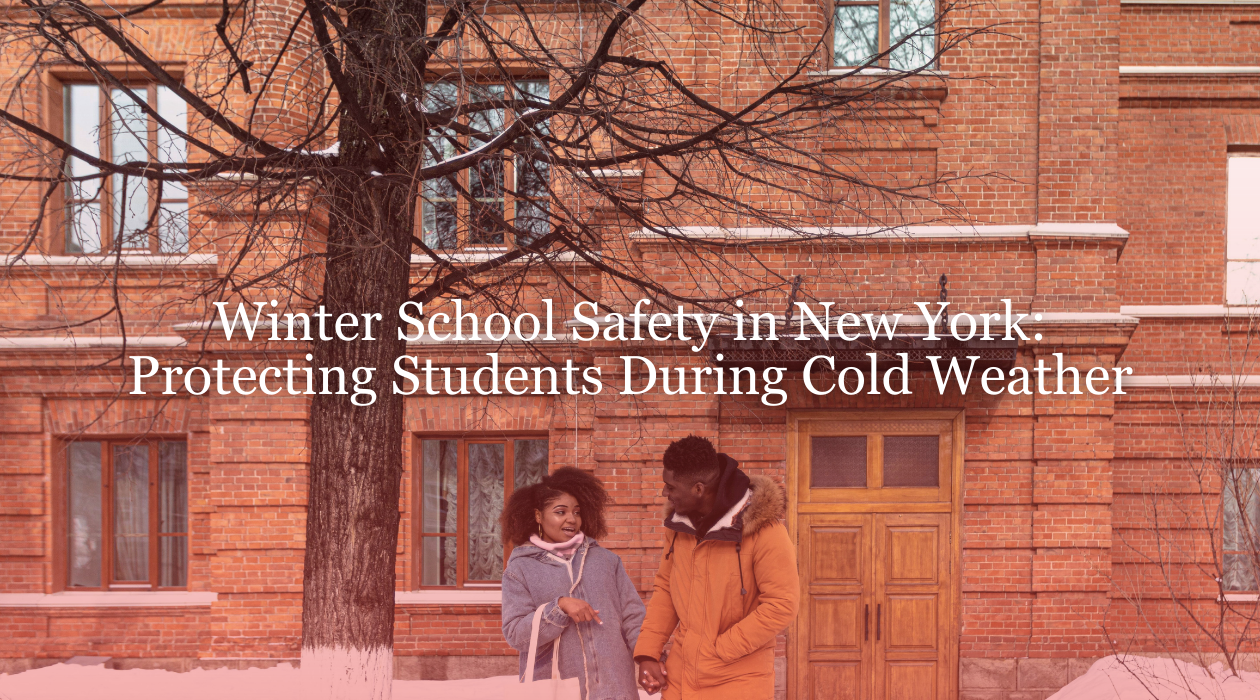
Winter School Safety in New York: Protecting Students During Cold Weather
February 16, 2026
When Winter Puts Students at Risk
Winter in New York brings snow, ice, freezing temperatures, and dangerous weather conditions that can create serious safety risks for students. From icy walkways and unsafe bus stops to heating failures and weather-related school closures, winter hazards can disrupt learning and threaten student health.
Schools have a legal and ethical responsibility to maintain safe environments for students, even during extreme winter conditions. Understanding winter school safety obligations and student rights can help families identify risks and take action when safety standards are not met.
What Is Winter School Safety?
Winter school safety refers to the policies, procedures, and physical measures schools must implement to protect students during cold-weather months. These responsibilities extend beyond the classroom and include school grounds, transportation, facilities, and emergency preparedness.
In New York, school districts must take reasonable steps to reduce foreseeable winter hazards and respond appropriately when weather conditions pose risks to student safety.
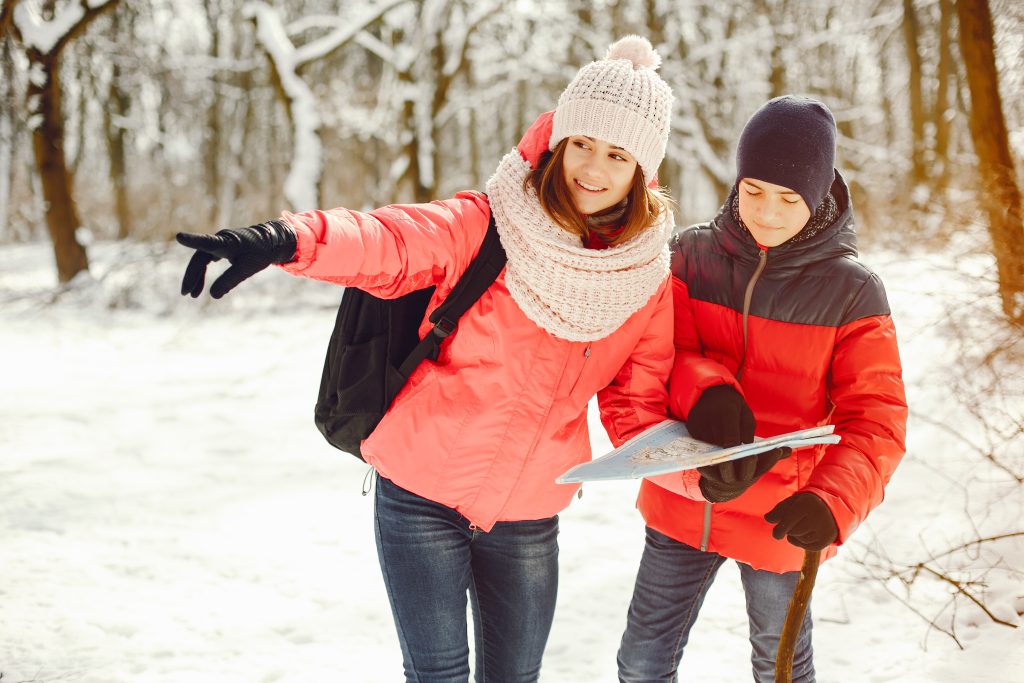
School Responsibilities During Winter in New York

Schools and districts are expected to maintain safe conditions throughout the winter season. Key responsibilities include:
- Clearing snow and ice from sidewalks, entrances, stairways, and parking areas
- Maintaining safe indoor temperatures and properly functioning heating systems
- Ensuring safe student transportation during snow and icy conditions
- Monitoring weather forecasts and making timely closure or delay decisions
- Implementing emergency procedures for severe weather events
- Supervising students during arrival, dismissal, and outdoor activities
Failure to address these responsibilities may place students at risk of injury or illness.
Common Winter Safety Hazards in Schools
Winter weather creates predictable risks that schools must anticipate and manage, including:
- Slips and falls on icy walkways or staircases
- Hypothermia or frostbite during outdoor exposure
- Unsafe school bus conditions or delayed transportation
- Carbon monoxide exposure from improperly ventilated heating systems
- Roof collapses caused by heavy snow accumulation
- Emergency exits blocked by snow or ice
These hazards can affect students, staff, and visitors and may lead to serious injuries if ignored.
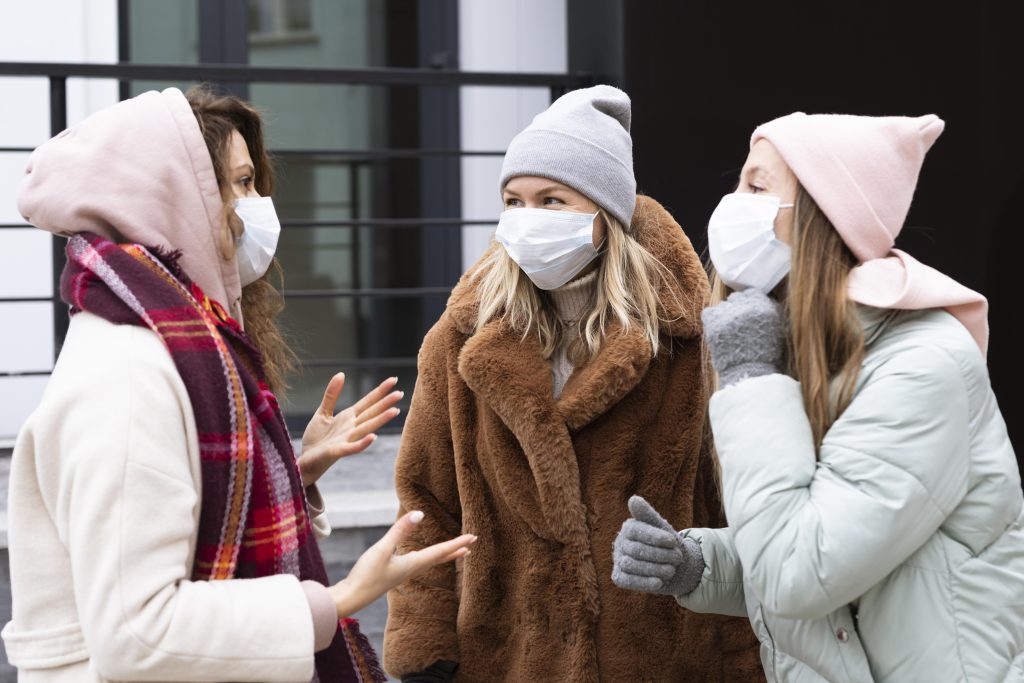
Protecting Students’ Health During Cold Weather
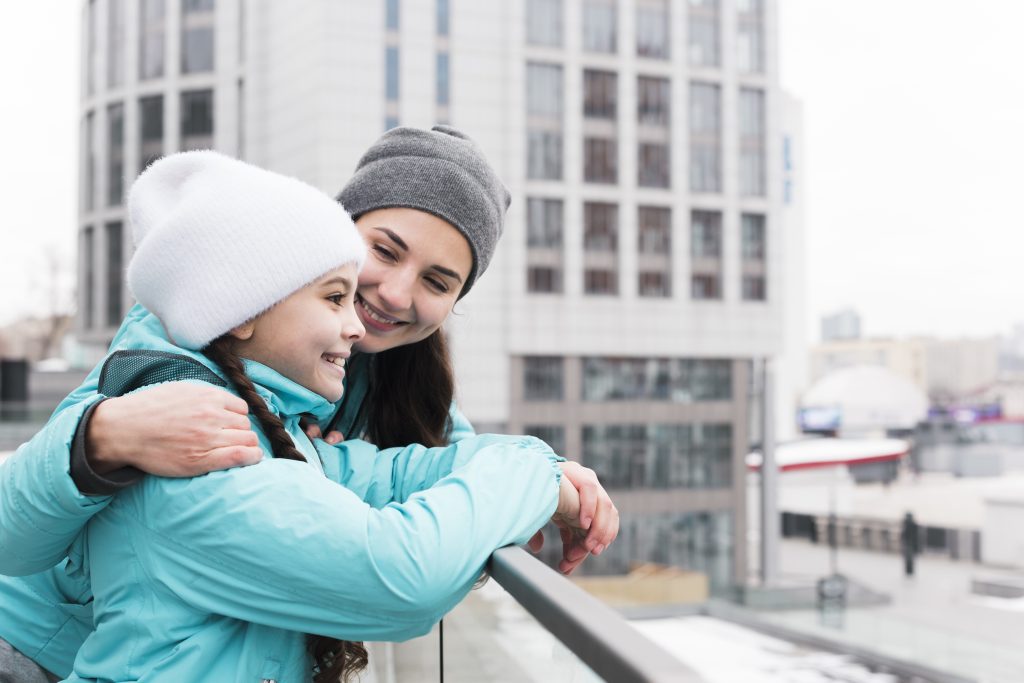
Cold weather poses unique health risks, particularly for young children and students with medical conditions. Schools should:
- Limit outdoor activities during extreme cold or wind chills
- Ensure students are not kept outdoors for extended periods
- Monitor indoor air quality and heating safety
- Accommodate students with asthma, respiratory conditions, or mobility limitations
- Allow flexibility for weather-related absences when conditions are unsafe
Failure to address winter-related health risks may violate school safety and student protection standards.
Transportation Safety in Winter Conditions
School transportation carries heightened risks during the winter months. Districts have a legal and ethical responsibility to ensure the safety of students whenever buses are in operation. Key responsibilities include:
- Assessing Road and Weather Conditions: Districts should carefully monitor local weather forecasts and road reports before operating buses. If conditions are determined to be unsafe, transportation should be delayed or canceled.
- Maintaining Buses: Vehicles must be properly maintained, including functioning brakes, tires suitable for winter conditions, and reliable heating systems to protect students from cold exposure.
- Adjusting Routes and Schedules: In cases of severe weather, districts should modify routes or schedules to minimize travel risk, including shortening routes, avoiding hazardous roads, or consolidating pick-up points.
- Providing Clear Communication: Parents, guardians, and staff should receive timely updates regarding delays, cancellations, or route changes to ensure everyone is informed and can make safe decisions.
- Establishing Safe Pick-Up and Drop-Off Locations: Locations should be selected with accessibility, visibility, and safety in mind, ensuring that students can safely board and exit buses without exposure to icy or hazardous conditions.
Ultimately, if transportation cannot be conducted safely due to weather or road conditions, districts must prioritize student safety and delay or cancel bus operations rather than risk accidents or injuries.
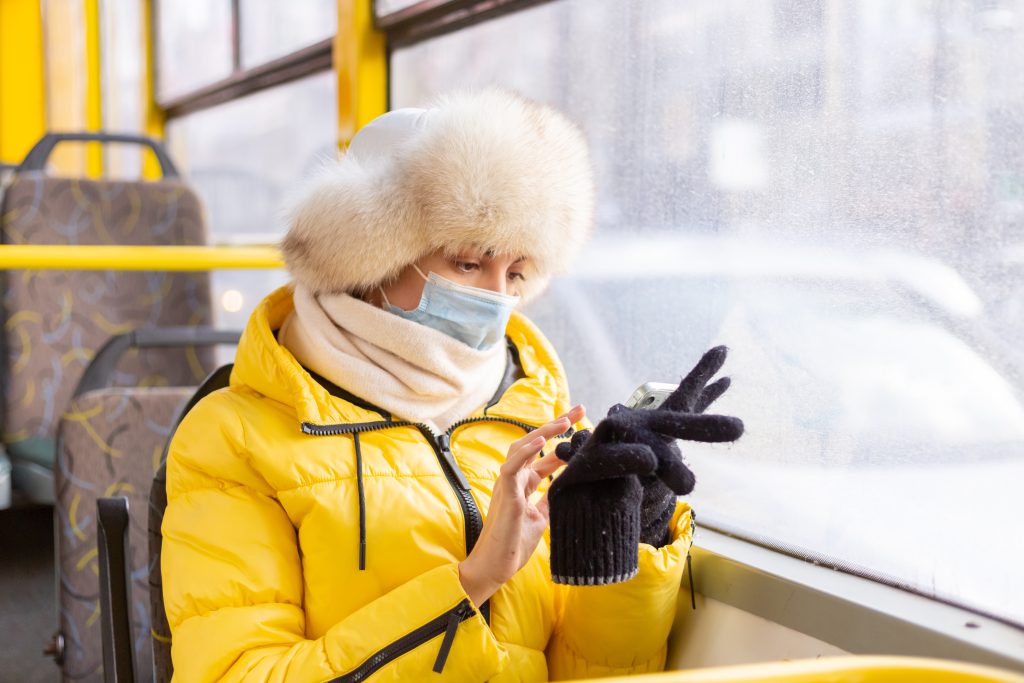
School Closures, Delays, and Remote Learning
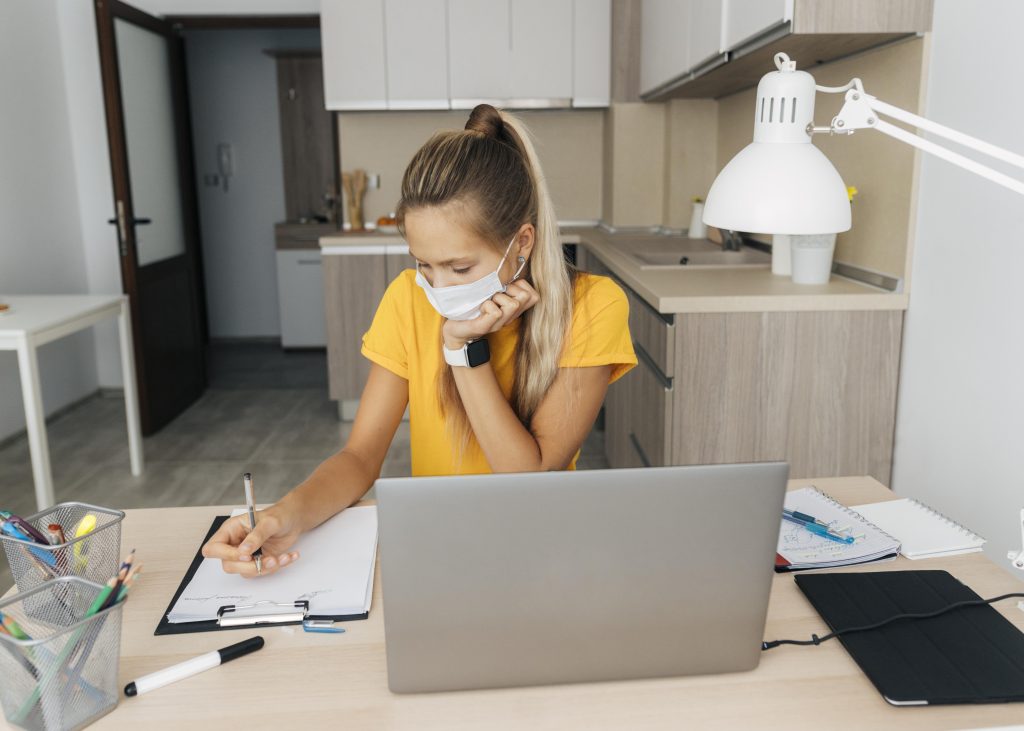
During severe winter weather, school administrators must make informed decisions regarding closures or delays. These decisions should consider:
- Local weather forecasts and road conditions
- Student transportation safety
- Building safety and heating reliability
- Accessibility for students with disabilities
When remote learning is used, schools must still ensure students with disabilities receive appropriate accommodations and services.
Key Takeaways
- Winter weather creates predictable safety risks in New York schools
- Schools have a duty to maintain safe buildings, grounds, and transportation
- Students’ health and safety must be prioritized during severe weather
- Families have the right to raise concerns and demand action
- Documentation is essential when safety issues arise
Why You Should Consult a School Transportation Safety Expert
Even though New York is a “no-fault” state, insurance companies often limit or deny claims—especially when serious injuries are involved. A skilled personal injury attorney can help you:
File your no-fault claim correctly to ensure it meets all legal requirements.
Challenge unfair denials or underpayments from insurance companies.
Determine if your injuries meet the serious injury threshold under New York law.
Pursue full compensation for medical expenses, pain and suffering, and future losses.
At LFK Law Practice, P.C., we guide New York drivers through the no-fault system and advocate for the compensation they deserve after an accident.
Contact us today for a free consultation, and let us handle the insurance process while you focus on your recovery.
Bottom Line

Winter school safety is a critical responsibility for New York schools. Snow, ice, and freezing temperatures do not excuse unsafe conditions or delayed responses. When schools take proactive steps to manage winter hazards, students are better protected and learning can continue safely. Families who understand their rights and speak up when safety standards are not met help promote accountability and safer schools for everyone.
Frequently Asked Questions (FAQs)
Are schools required to close during snowstorms?
Not automatically. However, schools must act reasonably to protect student safety based on weather and local conditions.
Can students be required to wait outdoors in extreme cold?
Extended outdoor exposure during dangerous conditions may raise safety concerns.
Are schools responsible for injuries caused by ice or snow?
Schools may be held responsible if they fail to address known hazards in a reasonable timeframe.
Do safety obligations apply to private schools?
Private schools may be subject to certain safety and health regulations depending on funding and circumstances.
References
- New York State Education Department (NYSED). School safety and emergency preparedness guidance.
- New York State Department of Health. Cold weather health and safety advisories.
- New York State Division of Homeland Security & Emergency Services. Winter weather preparedness resources.
- Centers for Disease Control and Prevention (CDC). Cold-related illness prevention.
- New York State Education Law. Student safety and facility standards.