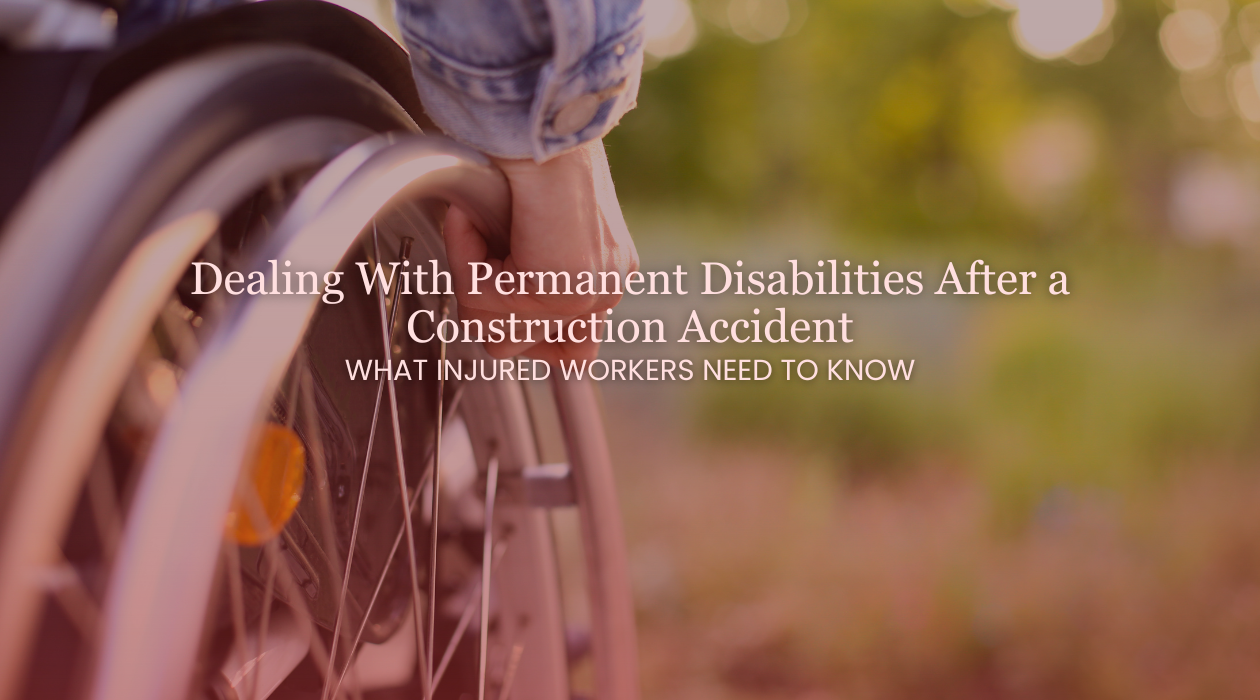
Dealing With Permanent Disabilities After a Construction Accident: What Injured Workers Need to Know
November 22, 2025
Construction sites are some of the most dangerous workplaces in New York. Falls, heavy machinery accidents, and collapsing structures can cause life-changing injuries. For many workers, the hardest part isn’t the accident itself — it’s learning to live with a permanent disability.
Permanent disabilities can affect your ability to work, support your family, and move through everyday life. Understanding how disability ratings work, what rehabilitation options exist, and how to adapt is key to protecting your future.
Here’s a clear guide to what injured construction workers should know.
Disability Ratings and Medical Assessments
A disability rating measures how much your injury affects your ability to work. In New York, doctors may look at:
- Loss of movement or strength
- Chronic pain
- Nerve damage
- Reduced mobility
- Cognitive issues after head or spine injuries
- Loss of function in a limb
This rating helps determine:
- The benefits you may receive
- Your future earning capacity
- Compensation for long-term limitations
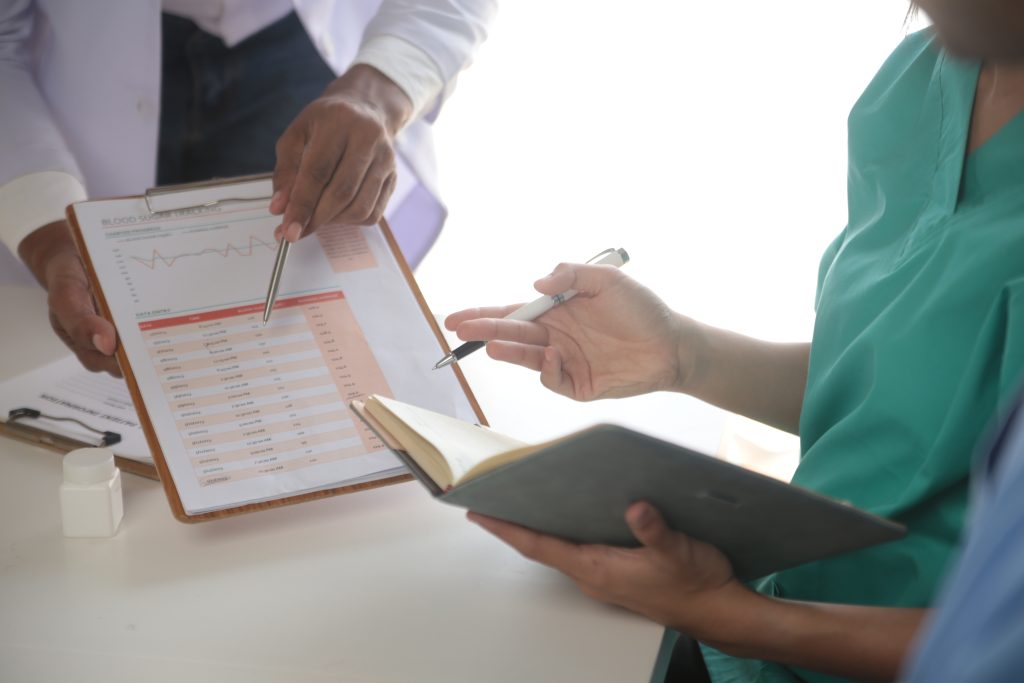
When Is a Worker Considered at Maximum Medical Improvement (MMI)?
Your doctor will say you reached MMI when your condition has stabilized. This doesn’t mean you are healed — only that more treatment will not significantly improve your injury.
Once you reach MMI, your disability rating is often assigned. This rating becomes important when seeking compensation through a personal injury claim, third-party claim, or workers’ compensation benefits.
Vocational Rehabilitation
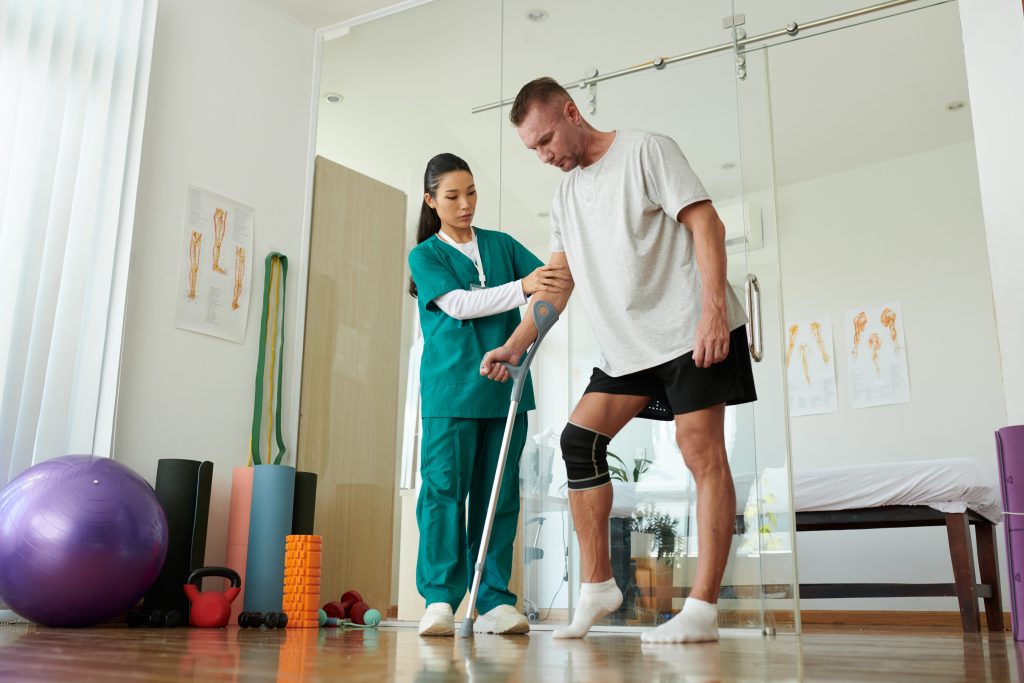
When injuries prevent you from returning to your old construction job, vocational rehabilitation can help you transition into new work.
Vocational rehabilitation may include:
- Job retraining
- Education or certification programs
- Light-duty job placement
- Resume and interview coaching
- Workplace modifications for your limitations
Programs like these help workers find safe, suitable jobs that match their new physical abilities.
Why It Matters

Construction work is physically demanding. If your disability prevents you from lifting, climbing, or using tools safely, vocational rehabilitation ensures you can still earn a living in a different role.
You might transition into:
- Safety compliance roles
- Project coordination
- Administrative or office-based work
- Inspection or site monitoring tasks
Vocational rehabilitation can also strengthen your legal case by showing that you’ve taken steps to adapt and stay employed.
Adapting to Life-Changing Injuries
Permanent disabilities affect more than your career — they impact your independence, daily routines, and emotional well-being.
Common Challenges Workers Face
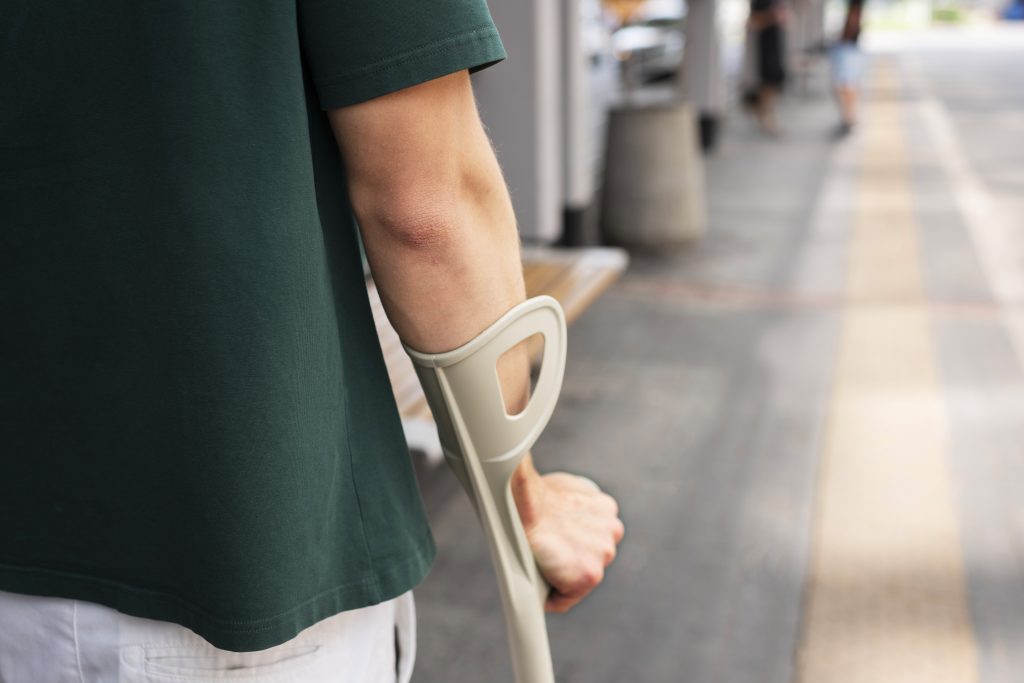
- Needing mobility aids like braces, canes, or wheelchairs
- Adjusting to chronic pain
- Losing the ability to perform heavy labor
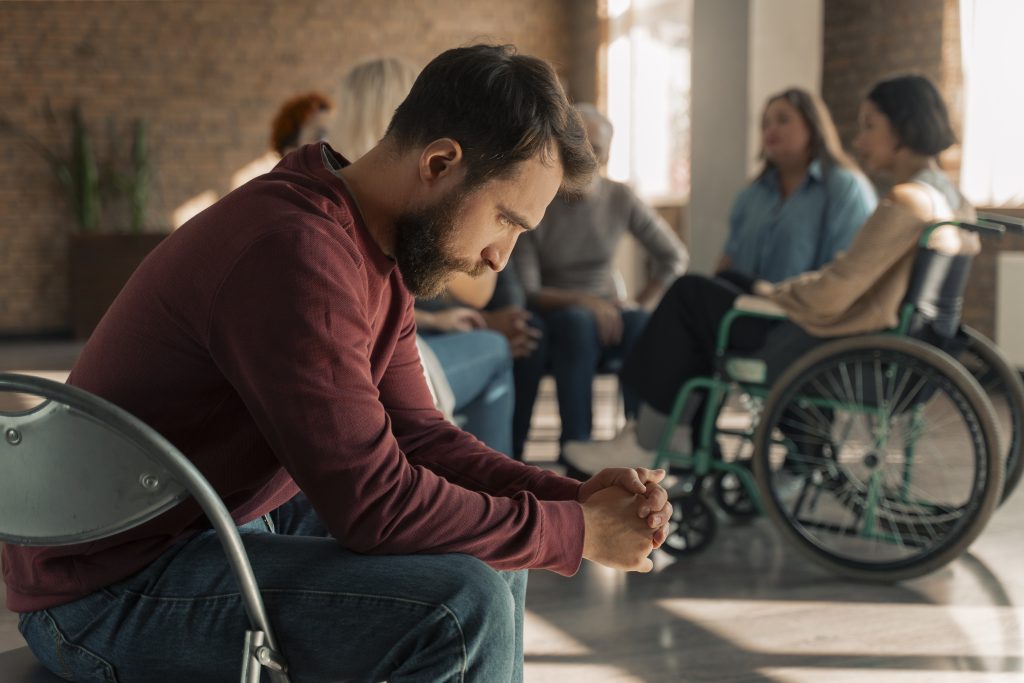
- Mental health struggles such as anxiety or depression
- Financial stress from reduced income
Building a Support System
Recovery becomes easier when you have:
- Medical providers who understand construction injuries
- Pain management specialists
- Mental health counselors
- Support groups
- Family or community support
Your attorney may also connect you with:
- Trusted rehabilitation doctors
- Home care services
- Occupational therapists
- Specialists who handle long-term disability planning
Legal Rights for Workers With Permanent Disabilities
Under New York law, workers with permanent injuries may be able to recover compensation for:
- Ongoing medical care
- Loss of future earning ability
- Pain and suffering
- Lost wages
- Future rehabilitation or home modifications
If the accident was caused by unsafe conditions, equipment failures, or violations of New York Labor Law §200, §240 (Scaffold Law), or §241(6), you may be entitled to significant compensation beyond workers’ compensation.
We’re Here to Help

At LFK Law Practice, P.C., we help injured construction workers navigate permanent disabilities and understand their legal rights. Whether you need help with disability ratings, vocational rehabilitation, or building a strong personal injury case, our team is here for you.
Contact us today for a free consultation.
We’ll review your injuries, explain your options, and help you plan for your future.
Frequently Asked Questions
What is a permanent disability after a construction accident?
A permanent disability means the injury has long-lasting effects that will not fully heal, even with further treatment.
How is a disability rating determined?
A doctor evaluates how your injury affects movement, strength, pain levels, and your ability to work.
Can I return to construction work with a permanent disability?
It depends on your injury. Some workers return with restrictions; others transition into new roles through vocational rehabilitation.
What is vocational rehabilitation?
It’s a program that helps injured workers learn new skills, find light-duty jobs, or train for new careers.
Here is a list of useful resources:
- Vocational Rehabilitation Services by ACCES-VR (Adult Career and Continuing Education Services) in New York assists individuals with disabilities to develop individualized employment plans, job development and placement, job coaching, occupational tools, and more.
- The New York State Commission for the Blind offers a specialized Vocational Rehabilitation Program to assist legally blind individuals with employment.
- NYU Langone Health’s Rusk Rehabilitation provides a vocational rehabilitation program that includes vocational counseling, evaluations, job skills training, work readiness programs, and job placement support.
- The New York State Workers’ Compensation Board provides vocational rehabilitation counselors that offer job search assistance, vocational training coordination, and referrals to programs like ACCES-VR.
- The Social Security Administration administers a Vocational Rehabilitation Reimbursement Program to support beneficiaries with disabilities returning to work and collaborates with state VR agencies.
- The Center for Independence of the Disabled, New York (CIDNY) provides vocational rehabilitation services including employment preparation, workshops, and individualized support.
- Hudson Community Enterprises provides vocational rehabilitation services in the tri-state area, including vocational evaluation, work adjustment training, counseling, and community access programs.
- Henry Street Settlement in New York offers vocational training including Microsoft Office training, volunteer internships, and employment preparation.
- The U.S. Department of Labor provides FAQs and information on vocational rehabilitation to help individuals return to work compatible with their restrictions.
- The Council of State Administrators of Vocational Rehabilitation (CSAVR) is the national organization overseeing state public vocational rehabilitation agencies.
Can I receive compensation for permanent disabilities?
Yes. You may be entitled to long-term benefits, lost future earnings, pain and suffering, and other damages — especially if the accident resulted from unsafe conditions or labor law violations.