Education Equity in New York: How Schools Can Be Held Accountable for Violating Student Rights
February 16, 2026
When Student Rights Are Ignored
Schools play a critical role in shaping a child’s future, but when educational institutions fail to uphold student rights, the consequences can be lasting. Discrimination, denial of services, inadequate accommodations, and unfair disciplinary practices can deprive students of equal access to education.
New York education equity laws provide mechanisms for holding schools accountable when violations occur. Understanding these enforcement options empowers students and families to take meaningful action and demand compliance with the law.
What Does Accountability Mean in Education Equity?
Accountability in education equity refers to the legal and administrative processes used to ensure schools comply with student protection laws. Schools are not merely encouraged—but required—to prevent discrimination, provide accommodations, and offer equitable access to educational opportunities.
When schools fail to meet these obligations, families may pursue remedies through internal complaints, administrative agencies, or the court system.
Laws That Allow Schools to Be Held Accountable

Several federal and state laws establish enforceable standards and accountability mechanisms, including:
- Title VI of the Civil Rights Act of 1964 – Race, color, and national origin discrimination
- Title IX of the Education Amendments of 1972 – Sex-based discrimination and harassment
- Individuals with Disabilities Education Act (IDEA) – Special education services and FAPE
- Section 504 of the Rehabilitation Act of 1973 – Disability accommodations
- Americans with Disabilities Act (ADA) – Disability discrimination in educational programs
- New York State Human Rights Law – Broad protections against discrimination in education
These laws provide the foundation for investigations, corrective actions, and legal consequences.
Common Student Rights Violations by Schools
Accountability issues often arise from patterns of conduct rather than isolated incidents. Common violations include:
- Discriminatory treatment based on race, disability, gender, or language status
- Failure to identify or evaluate students for special education services
- Ignoring or improperly implementing IEPs or 504 Plans
- Disproportionate disciplinary actions against protected groups
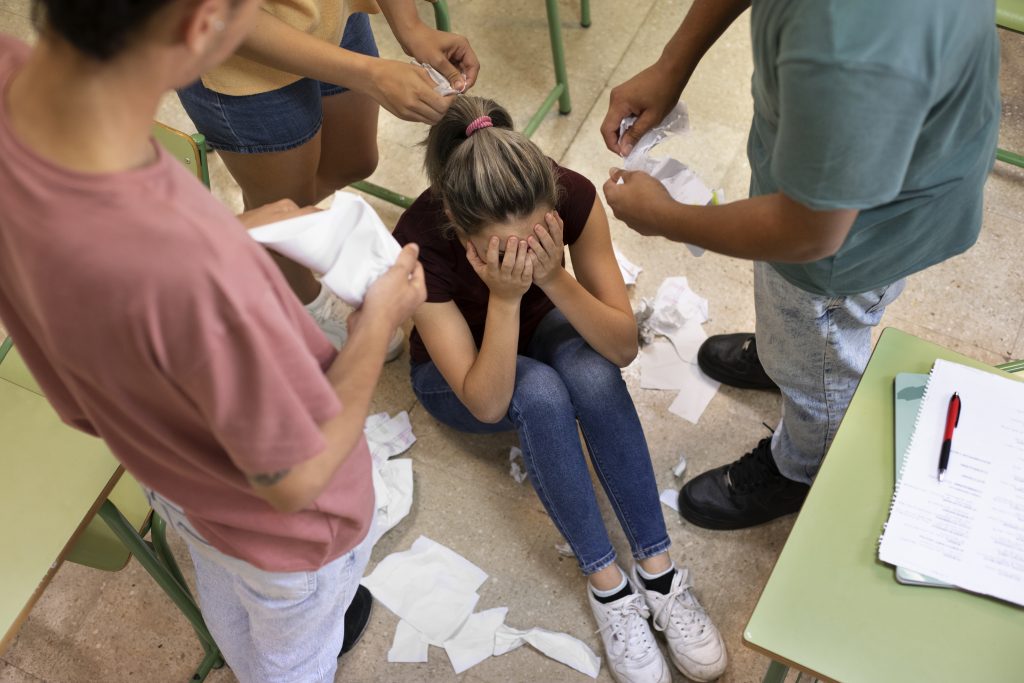
- Failure to address bullying or harassment
- Retaliation against students or families who assert their rights
Such violations may occur at the classroom, school, or district level.
Internal School and District Complaints

The first level of accountability often involves internal reporting. Families may:
- Submit written complaints to school administrators
- Request meetings or formal reviews
- Ask for evaluations or corrective action plans
- Submit written complaints to school administrators
While internal processes may resolve some issues, they are not always sufficient—especially when violations are systemic or ongoing.
Filing Complaints With Government Agencies
When internal efforts fail, families may pursue external oversight through government agencies, including:
New York State Education Department (NYSED)
NYSED oversees school compliance with state and federal education laws and can investigate complaints related to special education and equity violations.
U.S. Department of Education – Office for Civil Rights (OCR)
OCR investigates discrimination complaints involving race, disability, sex, and national origin. OCR may require schools to implement corrective actions or policy changes.
Due Process Hearings and Administrative Actions

For special education disputes, parents may request an impartial due process hearing. These hearings address issues such as:
- Denial of a Free Appropriate Public Education (FAPE)
- Inadequate IEPs or services
- Improper placement decisions
Hearing officers can order schools to provide services, compensatory education, or reimburse expenses.
Key Takeaways
- Education equity laws provide clear accountability mechanisms
- Schools can be investigated, sanctioned, or required to change practices
- Administrative complaints are often the first step
- Legal action may be necessary in serious cases
- Documentation is critical to enforcing student rights
Why You Should Talk to a New York Education Rights Lawyer
Even though New York law guarantees students the right to a fair and equitable education, schools and districts do not always meet their legal obligations—especially when discrimination, unequal resources, or denied services are involved. An experienced education rights attorney can help families and students:
Identify violations of state and federal education laws
Challenge unfair disciplinary actions or discriminatory practices
Address failures to provide mandated supports, including special education services
Pursue corrective action, policy changes, or legal remedies to protect student rights
At LFK Law Practice, P.C., we help New York families hold schools accountable when student rights are violated and work to ensure every child receives the education they deserve.
Contact us today for a free consultation—and let us handle the legal process while you focus on your child’s education and well-being.
Bottom Line

Education equity depends on accountability. When schools violate student rights, families are not powerless. New York and federal laws provide multiple pathways to enforce compliance, correct inequities, and protect students’ access to education. Understanding these options allows families to take informed action and promote fair treatment in schools.
Frequently Asked Questions (FAQs)
Do families have to prove intentional discrimination?
Not always. Many laws focus on discriminatory impact rather than intent.
Can schools retaliate against students or parents?
No. Retaliation for asserting rights or filing complaints is illegal.
Are charter schools subject to education equity laws?
Yes. Charter schools must comply with federal and state civil rights laws.
Is there a deadline for filing complaints?
Yes. Deadlines vary depending on the law and agency involved.
References
- New York State Education Department (NYSED). Civil rights and special education compliance guidance.
- U.S. Department of Education, Office for Civil Rights (OCR). Student civil rights enforcement procedures.
- Individuals with Disabilities Education Act (IDEA), 20 U.S.C. § 1400 et seq.
- Title VI of the Civil Rights Act of 1964, 42 U.S.C. § 2000d et seq.
- Title IX of the Education Amendments of 1972, 20 U.S.C. § 1681 et seq.
- Section 504 of the Rehabilitation Act of 1973, 29 U.S.C. § 794.
- Americans with Disabilities Act (ADA), 42 U.S.C. § 12101 et seq.
- New York State Human Rights Law, N.Y. Exec. Law § 290 et seq.