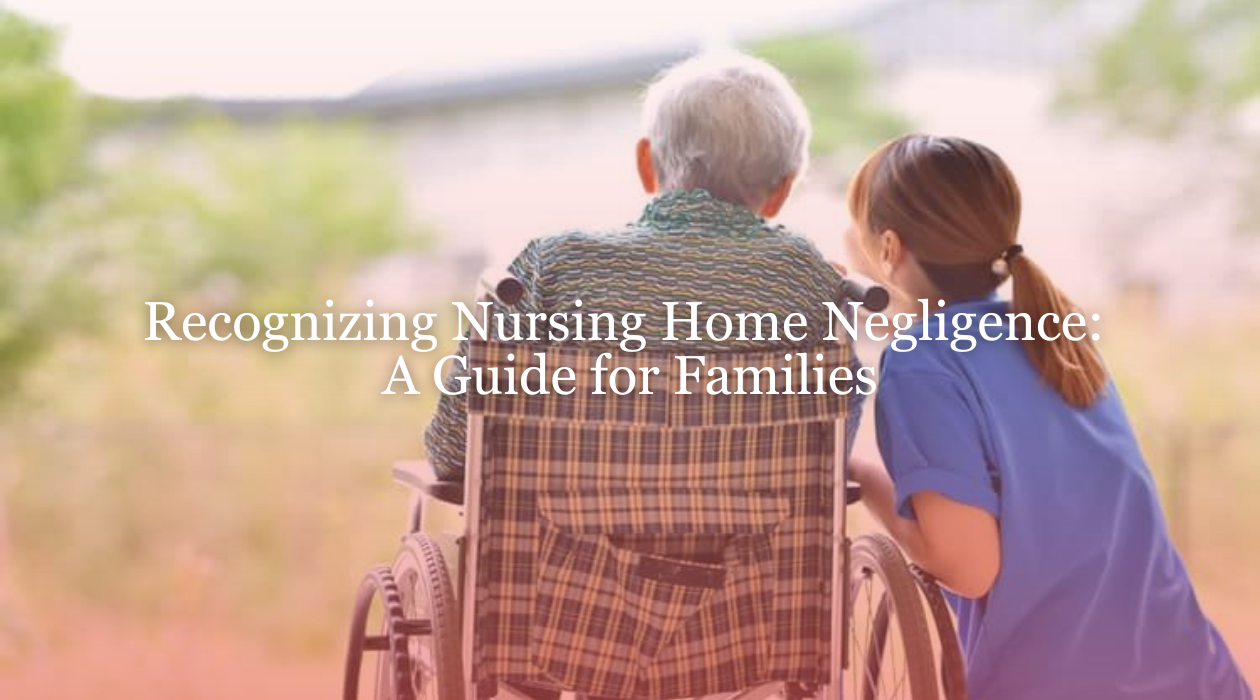
Recognizing Nursing Home Negligence: A Guide for Families
December 7, 2025
Choosing a nursing home for a loved one is a big decision. Sadly, some facilities fail to give proper care. Knowing the signs of negligence can protect your loved one and their legal rights.
What Is Nursing Home Negligence?
Negligence happens when staff or a facility fails to give proper care, causing harm.
This includes:
- Poor supervision
- Unsafe conditions
- Medication mistakes
- Lack of food or water
- Ignoring medical needs
Learn about elder safety from the National Institute on Aging: https://www.nia.nih.gov

Common Signs of Neglect or Abuse
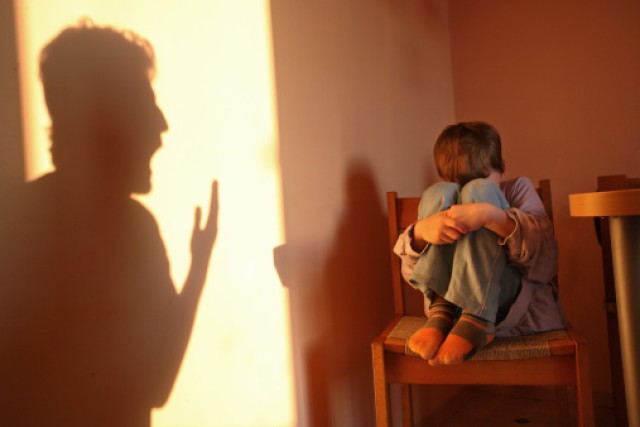
Watch for:
- Bruises, burns, or unexplained injuries
- Sudden weight loss
- Bedsores
- Dirty living conditions
- Fearfulness or changes in mood
Legal Responsibility
Nursing homes must keep residents safe. Negligence may involve:
- Not providing medical care
- Ignoring safety protocols
- Allowing abuse or unsafe conditions
Learn more from the U.S. Department of Health & Human Services: https://www.hhs.gov

What Families Can Do

1. Document Everything
Keep detailed notes, photos, and records of any injuries, changes, or concerns involving your loved one.2. Report Concerns to Staff
Notify nurses or facility administrators immediately about any issues and request written confirmation of your report.3. Visit Regularly
Frequent visits help you monitor your loved one’s well-being and quickly spot any signs of neglect or decline.4. Speak With an Elder Care or Personal Injury Lawyer
Consulting a qualified lawyer can help you understand your options and take action if you suspect abuse or neglect.
Why You Should Talk to a New York Elder Care Lawyer
New York has strong laws and regulations that protect nursing home residents, and speaking with an elder care lawyer can help you properly report concerns, investigate possible abuse or neglect, and take the legal steps needed to safeguard your loved one’s rights and safety.
For trustworthy guidance on resident protections, you can also refer to the New York State Department of Health’s Nursing Home Resident Rights resource.

Key Takeaways
- Look out for physical and emotional warning signs.
- Nursing homes must provide safe, proper care.
- Document concerns and report issues early.
- A lawyer can help protect your loved one’s rights.
Frequently Asked Questions
1. What is the most common sign of nursing home negligence? Bedsores, sudden weight loss, and unexplained injuries.
2. Who do I report abuse to? You can report to the facility, state agencies, or an attorney.
3. Can I move my loved one to another facility?Yes. Safety should come first.
4. Do I need proof to speak with a lawyer? No. A lawyer can help gather evidence.
Bottom Line

Nursing home negligence can seriously harm your loved one, but recognizing the warning signs early—and taking action—can make all the difference. Watch for physical or emotional changes, document any concerns, and report issues right away. New York provides strong protections for residents, and an experienced elder care lawyer can help ensure your loved one’s rights, safety, and well-being are fully protected.
References
National Institute on Aging – Elder Abuse & Neglect: https://www.nia.nih.gov/health/elder-abuse
U.S. Department of Health & Human Services – Elder Justice & Nursing Home Guidance: https://www.hhs.gov/elder-justice
Centers for Disease Control and Prevention – Long-Term Care Facilities & Safety: https://www.cdc.gov/longtermcare
Centers for Disease Control and Prevention – Pressure Injury Prevention (Bedsores): https://www.cdc.gov/pressure-injury
American Bar Association – Elder Law & Resident Rights: https://www.americanbar.org/groups/law_aging
New York State Department of Health – Nursing Home Complaints: https://health.ny.gov/facilities/nursing/complaints
New York State Office of Children & Family Services – Adult Protective Services: https://ocfs.ny.gov/programs/aps