
The Importance of Photographs and Video Evidence in Premises Negligence Cases
November 12, 2025
When you’re injured on someone else’s property — whether it’s a grocery store, apartment complex, or construction site — your case may depend heavily on evidence captured in the moments after the accident. In premises negligence claims, photos and videos often make the difference between a clear case and one that’s hard to prove.
At LFK Law Practice, P.C., we help clients preserve and use these types of evidence effectively to show how and why an injury occurred — and who was responsible.
1. Taking Pictures Immediately After Your Fall
If you’re physically able (or if someone can help you), taking photos right after a fall or other injury is one of the most critical steps you can take.
Here’s what to capture:
- The exact area where the fall happened (including hazards like liquid, debris, uneven flooring, poor lighting, or missing handrails).
- Any visible warning signs (or lack thereof).
- Your shoes or clothing (to counter potential defense claims about footwear or behavior).
- Surrounding conditions — weather, lighting, obstacles, or damaged fixtures.
- Visible injuries (like bruises, cuts, or swelling).
These images create a snapshot in time that can later demonstrate that the property owner knew — or should have known — about a dangerous condition.
👉 The National Safety Council notes that slips, trips, and falls are among the leading causes of preventable injury in the U.S., especially in workplaces and commercial spaces. (nsc.org)

Tip: Turn on the timestamp feature in your phone’s camera settings or keep the photo metadata intact — it can verify when and where the photos were taken.
2. Before and After Photos of Repairs

Property owners sometimes fix hazardous conditions immediately after an accident — repairing a broken step, cleaning a spill, or replacing a damaged railing. While that’s good for safety, it can make proving negligence harder if there’s no documentation.
If possible, get before-and-after photos showing the area’s condition both at the time of injury and later once repairs are made.
- “Before” photos show the danger existed.
- “After” photos demonstrate that the hazard was significant enough to require repair — evidence of notice or admission that a problem existed.
Even if you can’t personally take these, publicly available images (like from maintenance logs or surveillance systems) may be discoverable later through your attorney.
👉 The Occupational Safety and Health Administration (OSHA) emphasizes proper maintenance and cleanup as essential to preventing slips, trips, and falls — reinforcing why documenting those hazards is key.
3. Security Camera Footage
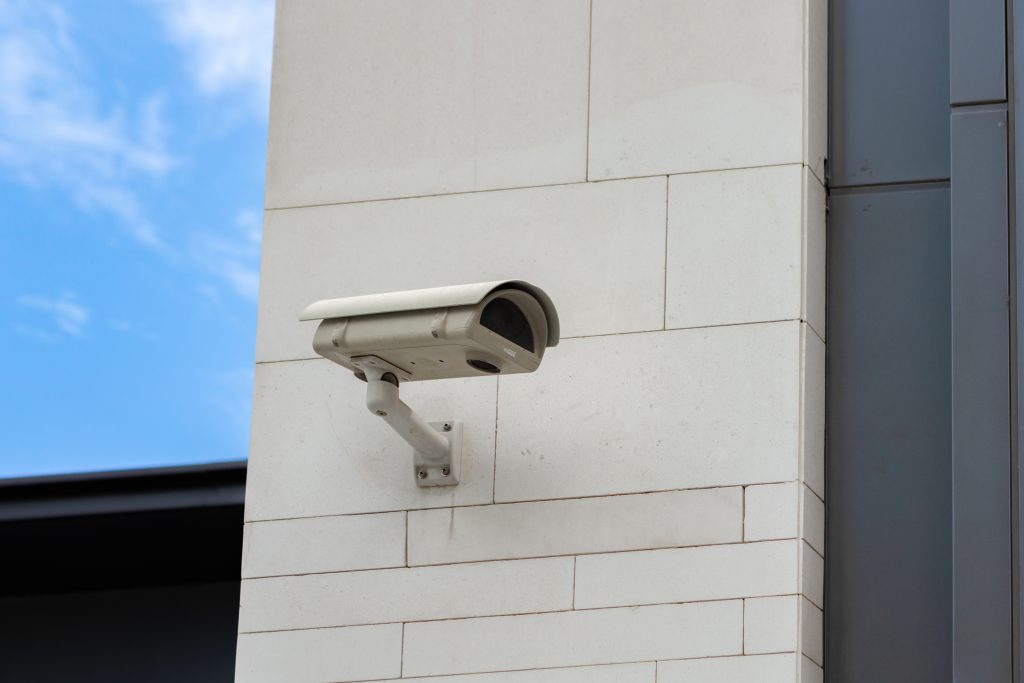
Many businesses, apartment buildings, and public facilities have security cameras recording continuously. This footage can show:
- The exact moment the fall or incident occurred.
- The condition of the area in the hours or days leading up to the injury.
- How long the hazard was present (proving “constructive notice”).
- Whether staff members noticed and ignored the danger.
However, time is critical — most surveillance systems automatically delete footage after 30 to 90 days, sometimes sooner.
That’s why it’s important to:
- Request footage immediately in writing.
- Have your attorney send a preservation letter to prevent deletion.
- Note camera locations while still on site.
The Federal Trade Commission (FTC) reminds businesses that security camera data is considered part of their operational record and subject to privacy and data retention guidelines — an important factor in requesting footage properly.
4. Dashcam and Cell Phone Videos
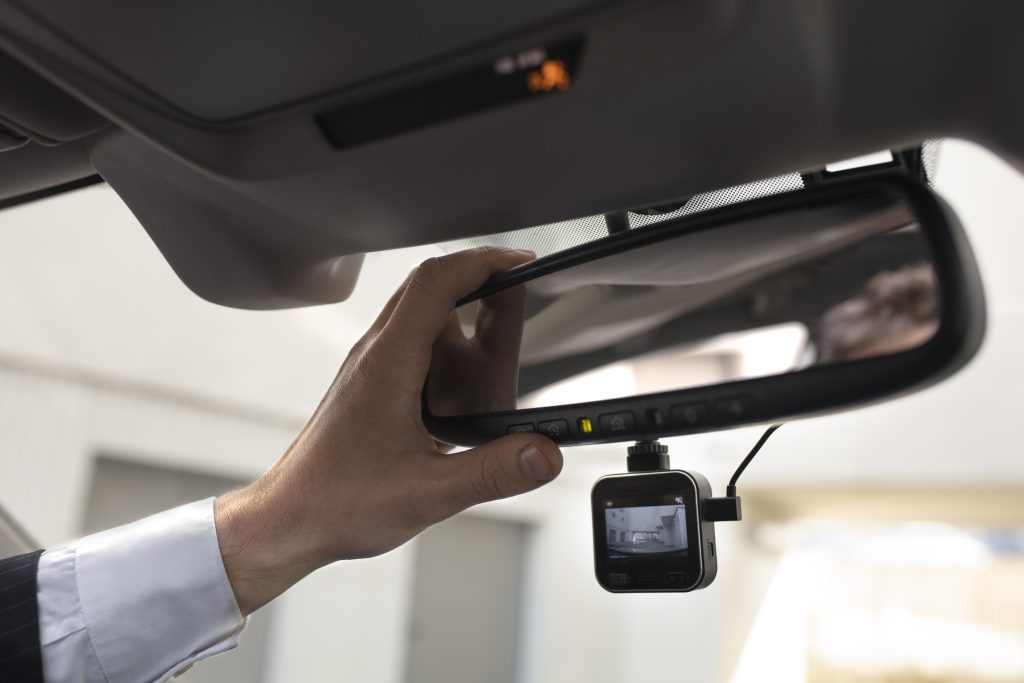
In some premises negligence cases, dashcam footage from nearby parked vehicles or delivery trucks can capture valuable evidence — like a slip in a parking lot, a collapsing awning, or a falling object. Similarly, cell phone videos taken by bystanders or employees can show what happened right before or after an incident.
If you suspect a camera caught the event:
- Note any vehicles or businesses nearby that may have dashcams or external cameras.
- Ask witnesses if they recorded anything on their phones.
- Preserve and back up any footage you capture yourself.
Videos can be even more persuasive than photos because they show motion, timing, and sequence — for example, how long a spill was left unattended or how a railing gave way during use.
👉 According to NIOSH (National Institute for Occupational Safety and Health), video analysis is increasingly used to study fall mechanisms — reinforcing its evidentiary value in real-world claims.
5. Supporting Evidence That Strengthens Your Claim
Beyond visual documentation, a strong premises negligence case also includes:
- Incident reports filed with the property owner or business.
- Medical records linking your injuries directly to the accident.
- Witness statements describing what they saw.
- Inspection and maintenance logs showing the property’s upkeep history.
Combining these with photographs and videos builds a clear, credible narrative about what happened — and what should have been prevented.

How LFK Law Practice, P.C. Can Help

Our team helps clients collect, preserve, and present visual evidence that strengthens their premises negligence claims. We act quickly to:
- Request and preserve surveillance footage before it’s deleted.
- Organize and authenticate photos, videos, and metadata for legal use.
- Work with investigators and experts to reconstruct how the accident occurred.
- Communicate directly with insurers and property owners to ensure accountability.
If you’ve been injured on someone else’s property, contact LFK Law Practice, P.C. today to learn how photo and video evidence can protect your rights and secure the compensation you deserve.
Frequently Asked Questions About Photo and Video Evidence
How soon should I take photos after a fall?
As soon as possible — ideally immediately after the incident. Conditions can change quickly (spills cleaned, warning signs added, lighting adjusted), and capturing the scene right away helps preserve the truth.
👉 The National Safety Council emphasizes that slips, trips, and falls are time-sensitive events that require prompt reporting and documentation.
Can I request surveillance footage from the property owner?
Yes. You (or your attorney) can request copies of any security footage showing the accident or the area where it occurred. Because most systems automatically delete data within 30–90 days, it’s important to send a written request or preservation letter quickly.
👉 The Federal Trade Commission (FTC) provides guidance on how businesses should handle stored surveillance data responsibly.
What if the business refuses to release the footage?
If the property owner denies access, your attorney can request it through discovery during a lawsuit or send a subpoena compelling production. Deleting footage after being asked to preserve it can be considered evidence destruction (spoliation).
👉 The U.S. Department of Justice outlines federal preservation obligations for electronically stored information.
Are cell phone or dashcam videos admissible in court?
Yes, as long as they’re authentic and relevant to the case. Modern smartphones and dashcams automatically store metadata (like timestamps and GPS), which can strengthen admissibility.
👉 See Federal Rules of Evidence, Rule 901 on authentication of evidence.
What if I couldn’t take photos because I was injured?
If you were unable to take pictures, don’t worry — evidence can still be gathered later. Your attorney can request surveillance footage, locate witnesses, or obtain maintenance logs showing the property’s condition. The sooner you contact counsel, the better your chance of preserving key visuals.