
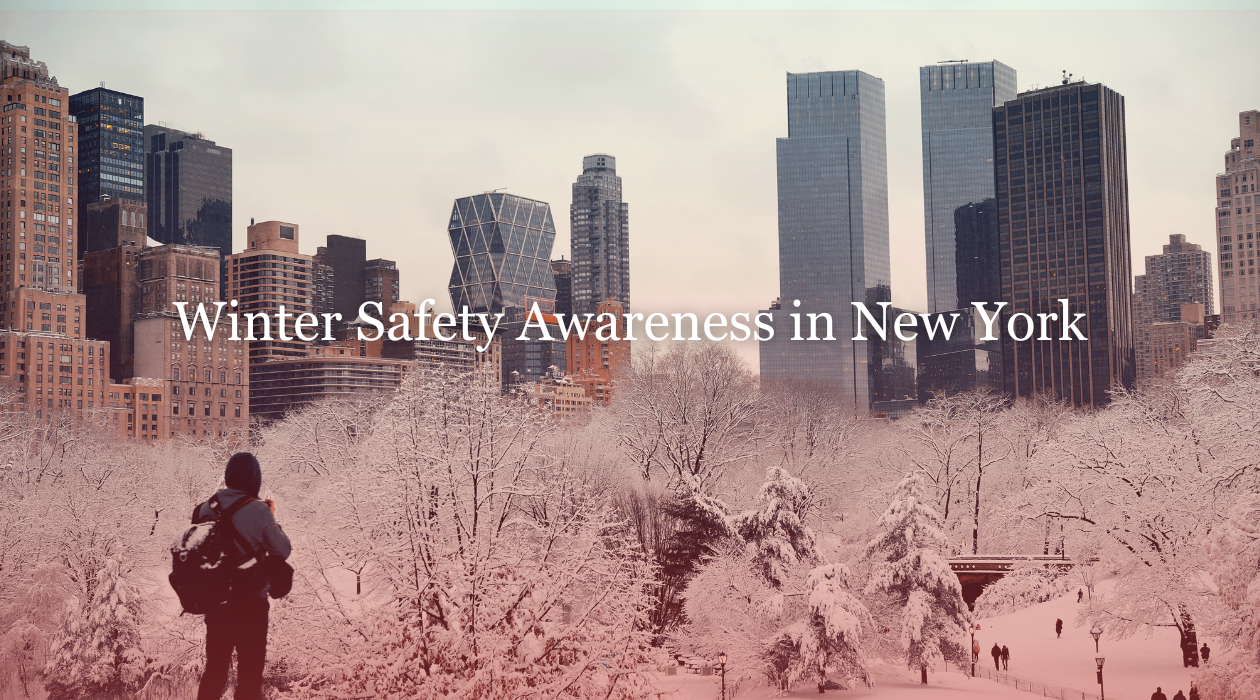
Winter Safety Awareness in New York: Essential Tips for a Safer Cold Season
February 17, 2026
Winter in New York brings picturesque snowfalls, but it also introduces dangerous conditions like icy sidewalks, low visibility, and hazardous travel. From heavy snow and freezing rain to slick roads and black ice, the winter season can heighten risks for pedestrians and drivers alike. Staying alert and cautious during these colder months can significantly reduce preventable injuries and emergencies.
Why Winter Awareness Matters in NY
New York winters often feature:
- Visibility issues from snow and fog, impacting both driving safety and pedestrian awareness.
These conditions contribute to a higher incidence of slips, falls, and vehicle accidents each year — making winter safety a community priority.
Top Winter Safety Tips for New Yorkers
Winter in New York can be harsh, so preparation is key. Dress in layers with waterproof boots, hats, gloves, and scarves, and keep emergency supplies at home, such as flashlights, blankets, water, and a first-aid kit. Protect your pipes by insulating them and sealing drafts. On the road, always clear snow and ice from your vehicle, drive slowly, maintain extra distance, and stay behind snowplows. Keep a car emergency kit with a shovel, blankets, jumper cables, and extra clothing. Outdoors, watch for thin ice, walk carefully with shoes that have good traction, and pace yourself when shoveling snow. During severe weather, avoid travel, stay in your vehicle if stranded, signal for help, and let someone know your destination and expected arrival time.
Why Winter Awareness Matters
- Heavy snow and ice make roads and sidewalks slippery.
- Freezing temperatures raise the risk of frostbite and hypothermia.
- Low visibility from snow and fog affects drivers and pedestrians.
- Risk of carbon monoxide poisoning from heaters and generators.
- Traffic accidents rise with sudden weather changes.
- Storms can disrupt public transport and emergency services.
Prepare Yourself and Your Home

Layer clothing, wear waterproof boots, hats, gloves, scarves.
Keep flashlights, blankets, water, and a first-aid kit handy.
Insulate pipes and seal drafts to prevent freezing.
Stock non-perishable food and maintain smoke/CO detectors.
Ensure heating systems are functioning safely.
Stay Safe on the Road
Clear snow and ice from your car before driving.
Drive slower than usual and keep extra distance.
Stay behind snowplows and avoid rushing.
Keep a car emergency kit: shovel, blankets, jumper cables, extra clothes.
Check traffic apps and weather alerts before heading out.
Stay Safe Outdoors and During Severe Weather
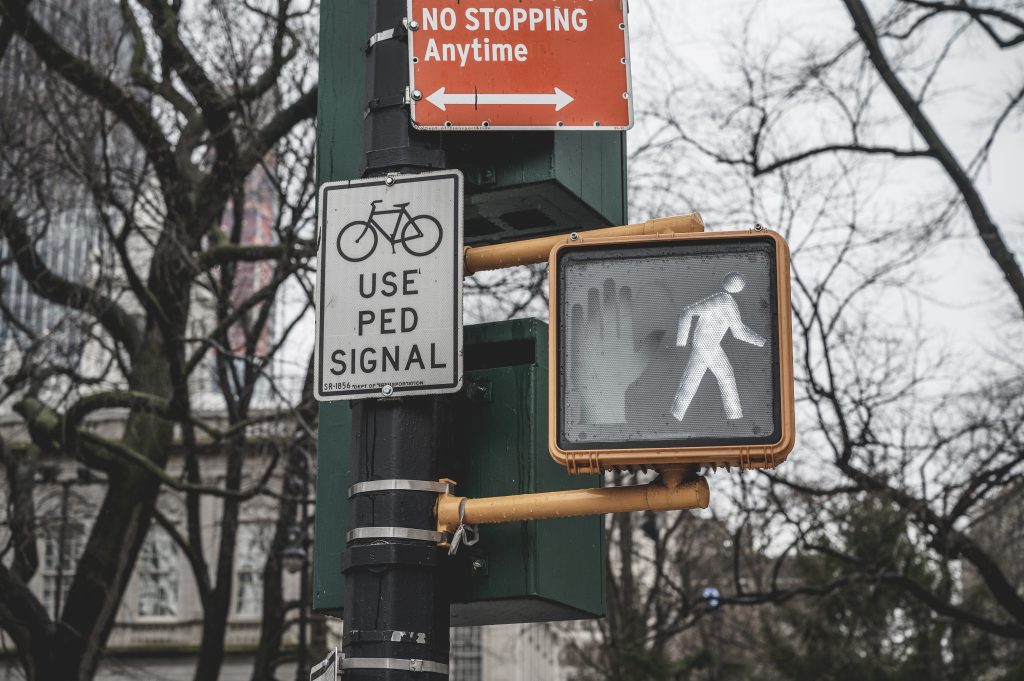
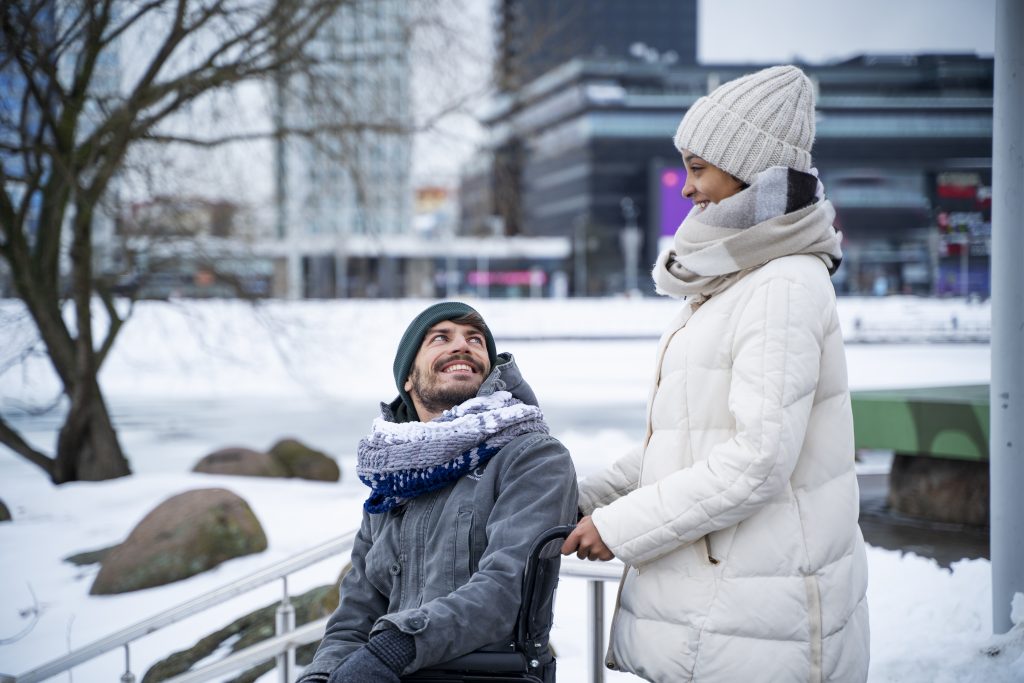
Watch for thin ice and slick sidewalks, walk slowly with small steps, use handrails, and wear shoes with good traction. Pace yourself when shoveling snow, stay hydrated, and avoid overexertion in cold weather. Check on neighbors, especially the elderly or vulnerable. During severe weather, avoid travel when warnings are issued. If stranded in a vehicle, stay inside and signal for help, keep a charged phone and extra clothing, and always inform someone of your destination and expected arrival time. Use reliable weather alerts to plan outdoor activities safely.
Takeaways: Key Winter Safety Points
Prepare ahead — both your home and vehicle should be ready for winter conditions.
Drive with care — slow down and adjust to changing road surfaces.
Walk smartly — ice and snow increase slip risks; proper footwear and vigilance help.
Stay informed — monitor weather alerts and advisories throughout the season.
Bottom Line

Winter in New York may be beautiful, but it comes with unique safety challenges. Whether you’re driving in a snowstorm, navigating icy sidewalks, or preparing your home for cold temperatures, planning ahead and staying informed are your best defenses. By following practical safety tips and adopting a cautious mindset, you’re more likely to enjoy a safer, more comfortable winter season.
Frequently Asked Questions (FAQS)
Q1: Should I avoid travel during a winter storm?
Yes — officials recommend avoiding unnecessary travel during storms and heavy snow. If you must travel, only go at safe times and with proper emergency gear.
Q2: How can I prevent slipping on ice?
Wear shoes with good traction and walk slowly; use salt or ice melt on pathways when possible.
Q3: What should be in my car emergency winter kit?
Include items such as an ice scraper, blanket, jumper cables, shovel, flashlight, and extra warm clothing.
Q4: How do I know if black ice is present?
Black ice is hard to see; be especially cautious when pavement looks wet but temperatures are below freezing.
Q5: What health risks should I watch for in cold weather?
Hypothermia and frostbite are serious — watch for uncontrollable shivering, numbness, or disorientation, and seek help immediately if symptoms occur.
References
- New York State Winter Safety Tips. NY.gov. Retrieved January 1, 2026, from https://www.ny.gov/winter-safety-tips The Official Website of New York State
- Safe Winter Driving — NY.gov. Retrieved January 1, 2026, from https://www.ny.gov/safe-winter-driving/safe-winter-driving-campaign The Official Website of New York State
- Winter Driving Safety — Division of Homeland Security & Emergency Services. Retrieved January 1, 2026, from https://www.dhses.ny.gov/winter-driving-safety-tips Homeland Security Services
- Winter Weather Hazards — NYC Emergency Management. Retrieved January 1, 2026, from https://www.nyc.gov/winterweather NYC Government
- Winter Preparedness for Homes — NYS Department of Public Service. Retrieved January 1, 2026, from https://dps.ny.gov/winter Department of Public Service